The Resident Event That Keeps Growing All Year Long
How One Apartment Community Turned Gardening Into a Resident Engagement Win
When people think about resident events, they often picture a single afternoon gathering. Food, music, maybe a giveaway. Residents show up, enjoy it, and the event ends.
But some of the most meaningful community engagement doesn’t happen in a single afternoon. It grows over time.
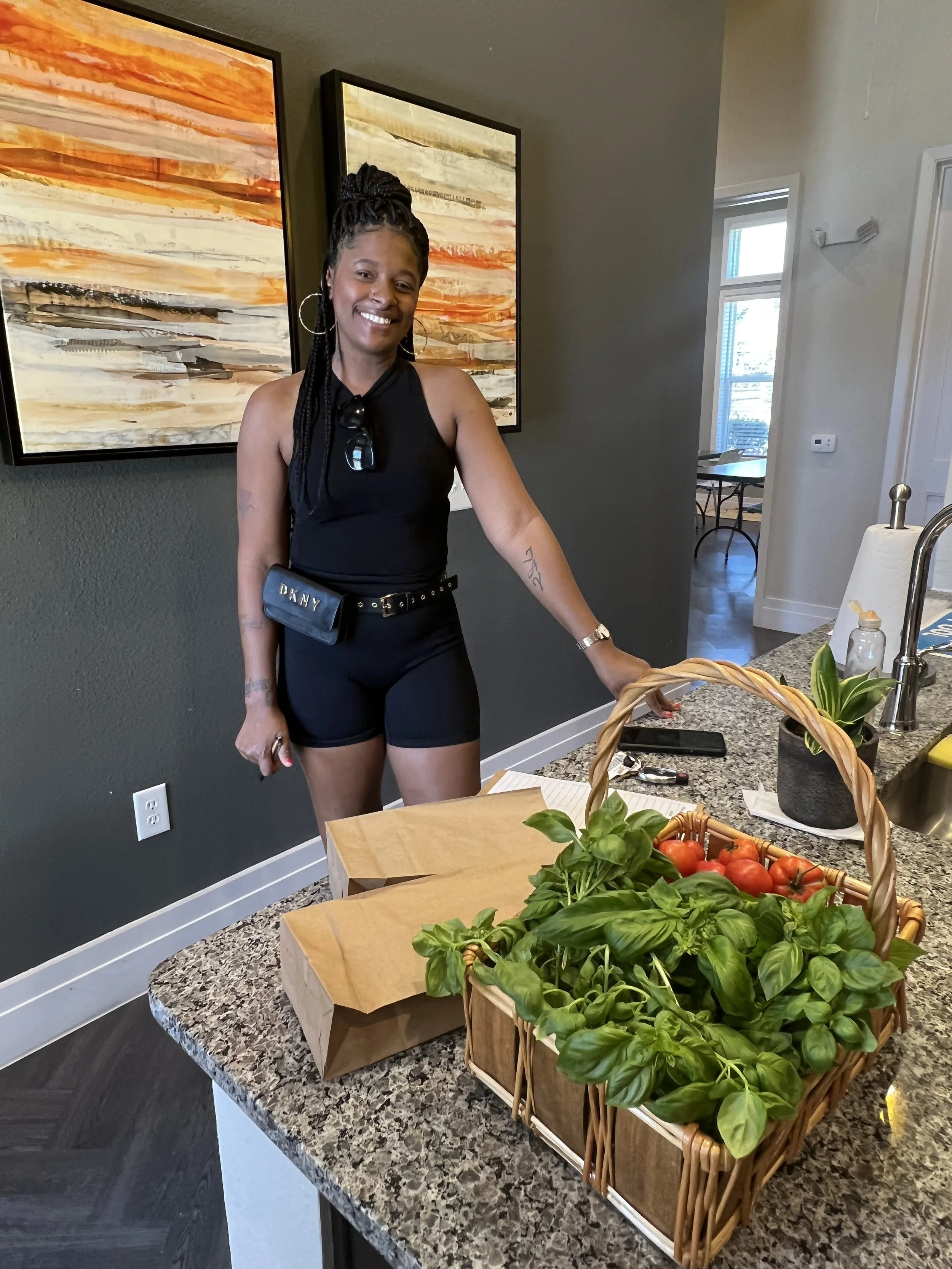
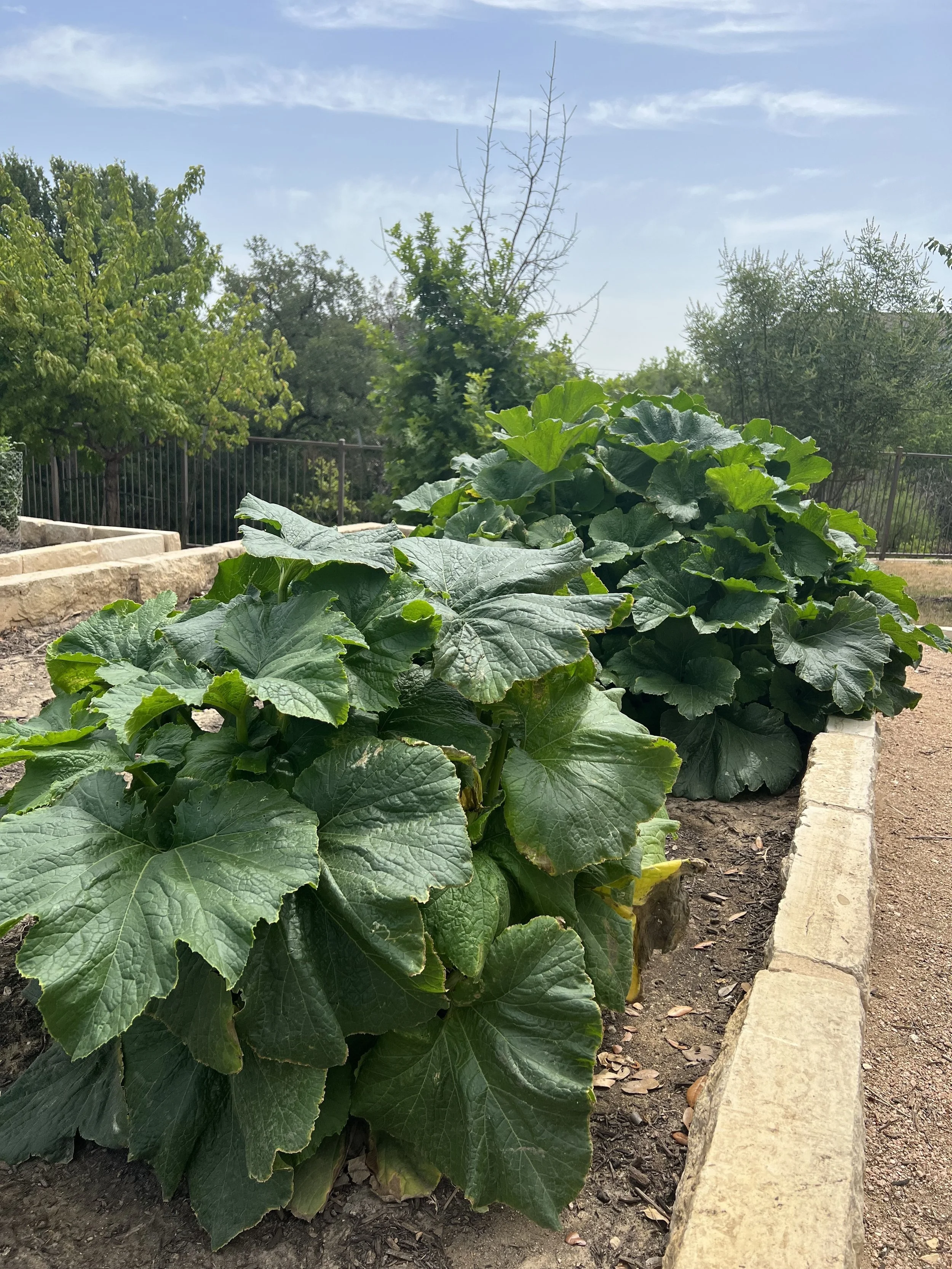
At Artisan at Judson Park, their team created something a little different: a community garden that brought residents together week after week. What started as a simple idea turned into a shared space for connection, wellness, and fresh produce.
Here’s how they made it happen—and how other communities can do the same.

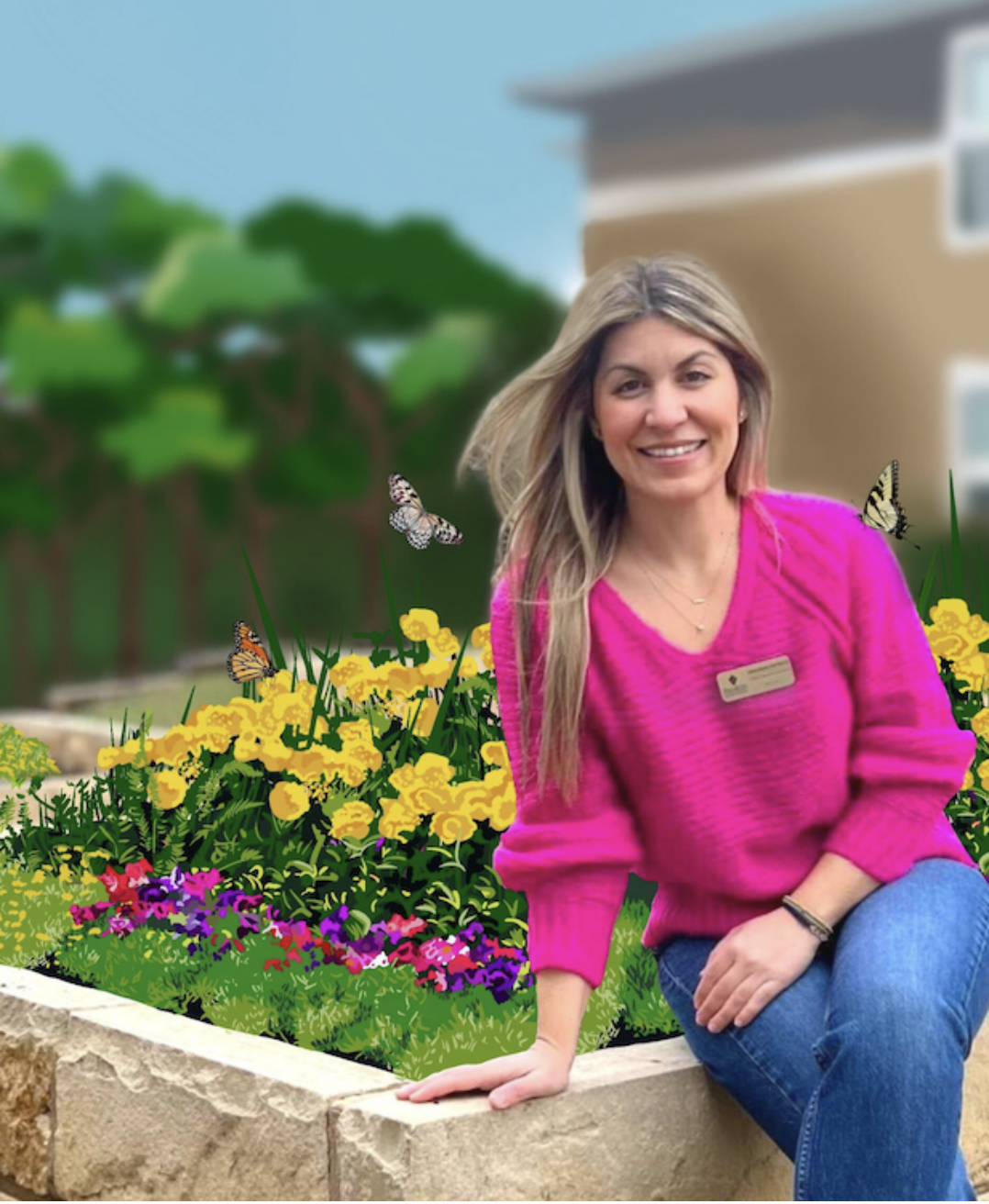
Special Guest, Anna-Maria Dimitratos
In this podcast, we are joined by Anna-Maria Dimitratos. Not only does Anna-Maria share how to create an amazingly successful community garden, but she’s also spilling the seeds on resident events in general.
Tune in to hear her event secrets!
Why a Community Garden Works So Well in Multifamily
The goal behind the garden was simple: make fresh produce more accessible while creating an activity residents could participate in together.
Gardening has some natural benefits that make it a perfect fit for apartment communities. It can reduce stress, support both mental and physical wellness, and create opportunities for residents to interact in a relaxed setting. On top of that, gardens can improve air quality and increase plant biodiversity around the property.
But the biggest benefit?
It gives residents something to care about together. Instead of attending a one-time event, they’re contributing to something that grows over time.
How the Community Garden Got Started
Like most successful resident initiatives, the garden started with a simple meeting and an open invitation for ideas.
The team promoted the first gathering about a month in advance using flyers, emails, and their monthly newsletter. The goal wasn’t to present a finished plan—it was to invite residents into the process.
At the first meeting, residents discussed:
What vegetables and herbs they wanted to grow
Seasonal planting schedules
Budget-friendly setup options
Garden layout ideas
The property’s landscaping team helped build the garden beds and irrigation, making the physical setup easier for everyone involved.
But one decision made a huge difference in keeping the project running smoothly: Residents selected a community garden leader who helped oversee the space and coordinate activities moving forward.
The Secret to Keeping Residents Involved
A community garden only works if residents stay engaged beyond the initial excitement.
The team used a few simple strategies to keep momentum going:
1. Promote Early and Often
Successful participation starts with good marketing. The team promoted meetings early and reinforced the message through flyers, email reminders, and conversations in the office.
Sometimes the best outreach is personal—like calling a resident who showed interest but couldn’t attend the first meeting.
2. Make It Beginner-Friendly
One of the biggest barriers to participation is intimidation.
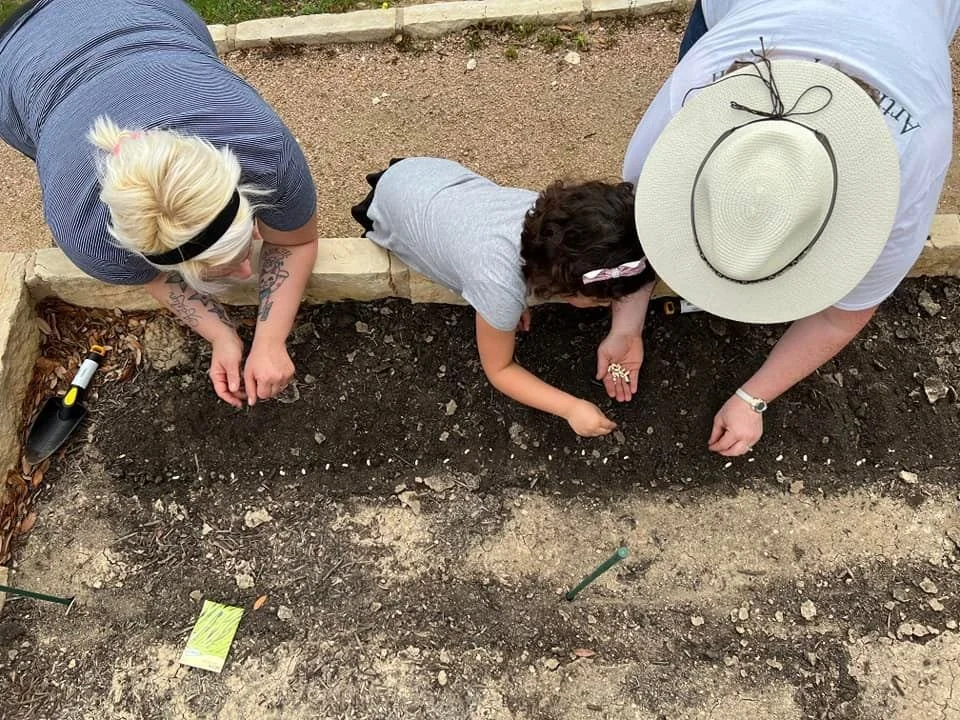
Many residents assume they need gardening experience to join. The team focused on creating an environment where everyone could learn together.
Getting hands dirty alongside residents helped remove that pressure.
3. Give Residents Ownership
Instead of making the garden another task for the onsite team, residents were given real responsibility.
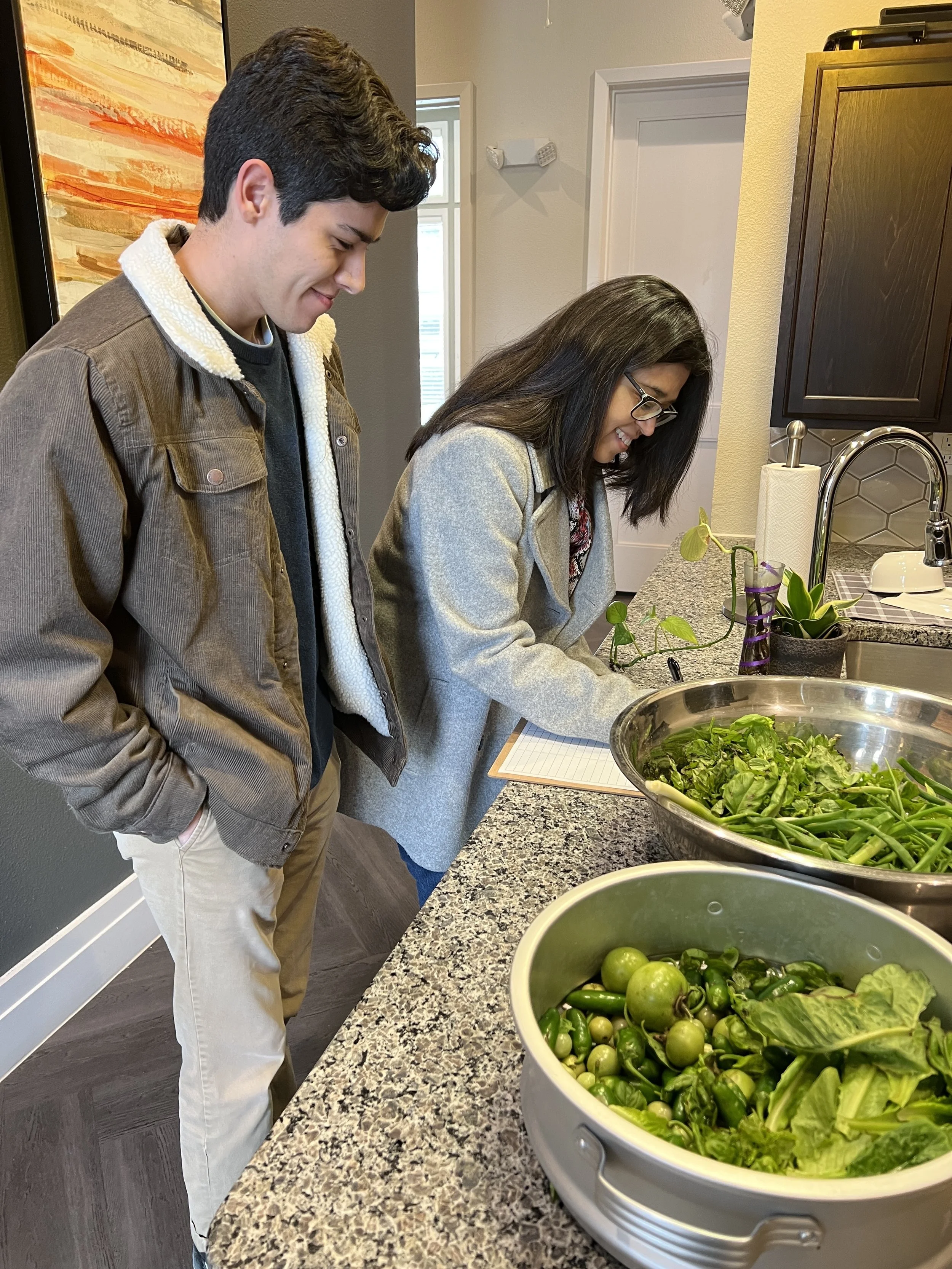
The elected garden leader helped oversee the garden weekly and coordinate harvesting. This small shift allowed the garden to become resident-driven, rather than staff-managed.
Turning the Garden Into a Community Amenity
One of the smartest things about this idea is that it’s not just an event—it’s an amenity.
Communities can expand the experience by hosting:
Monthly garden club meetings
Seasonal planting days
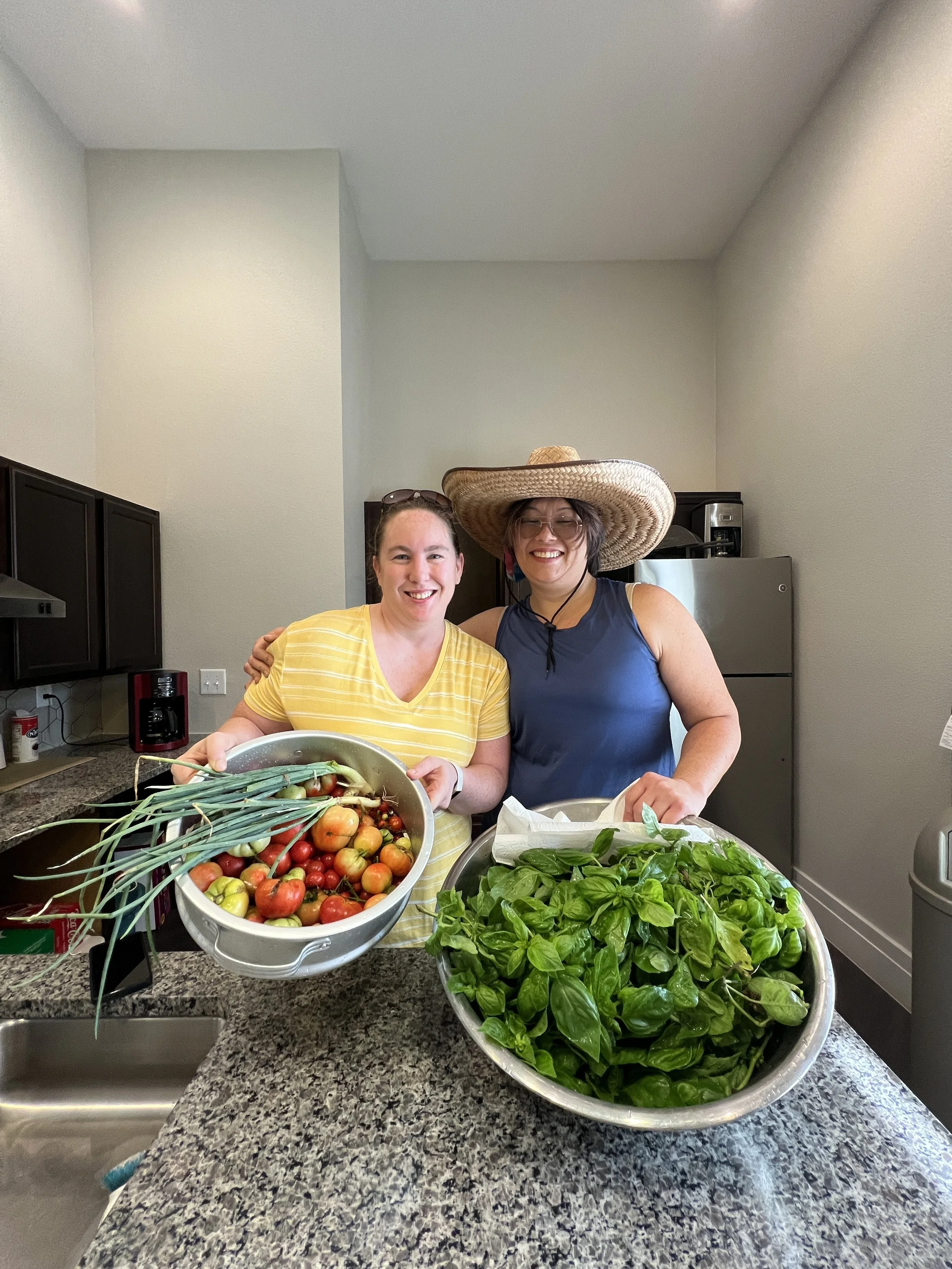
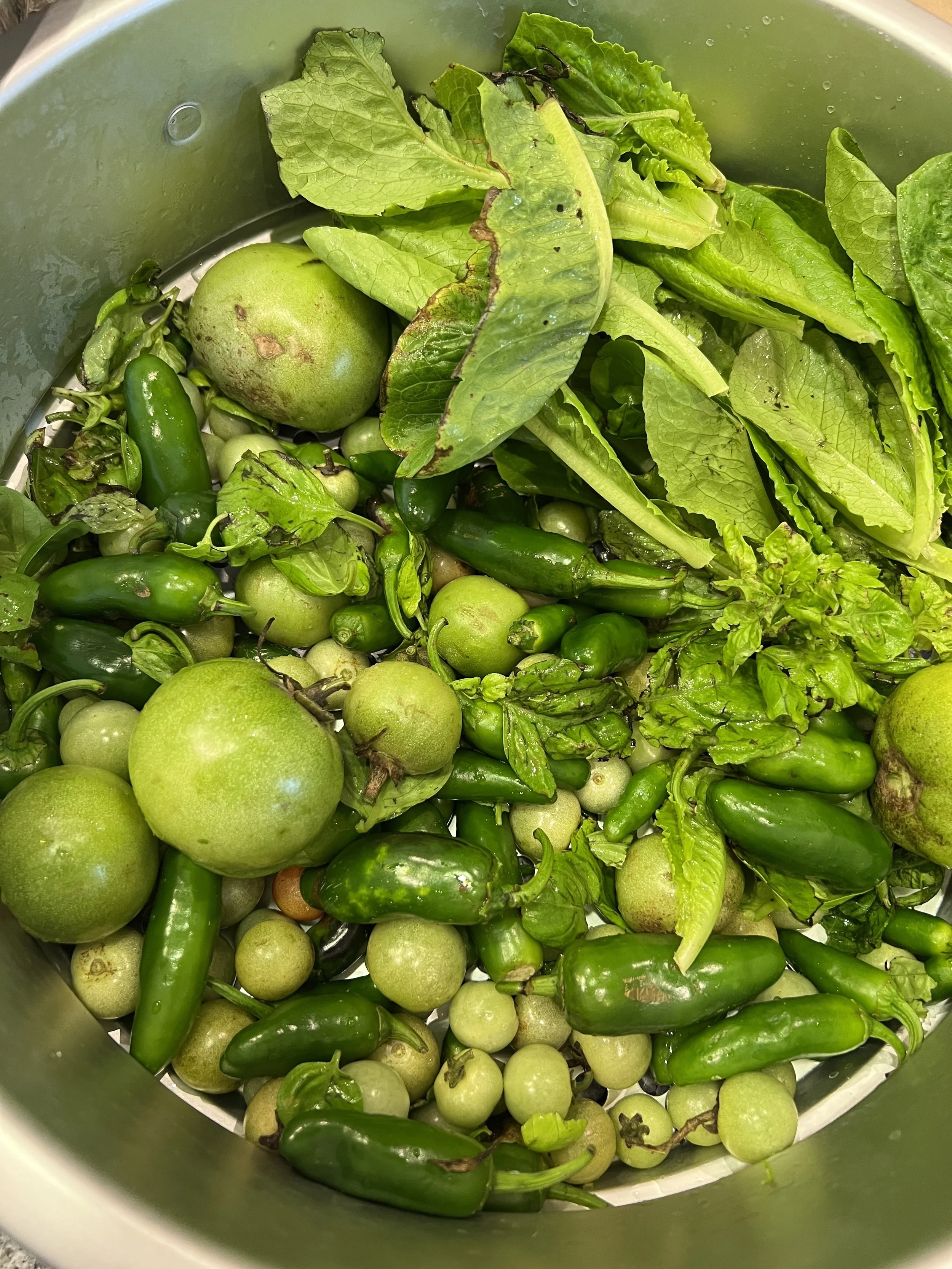
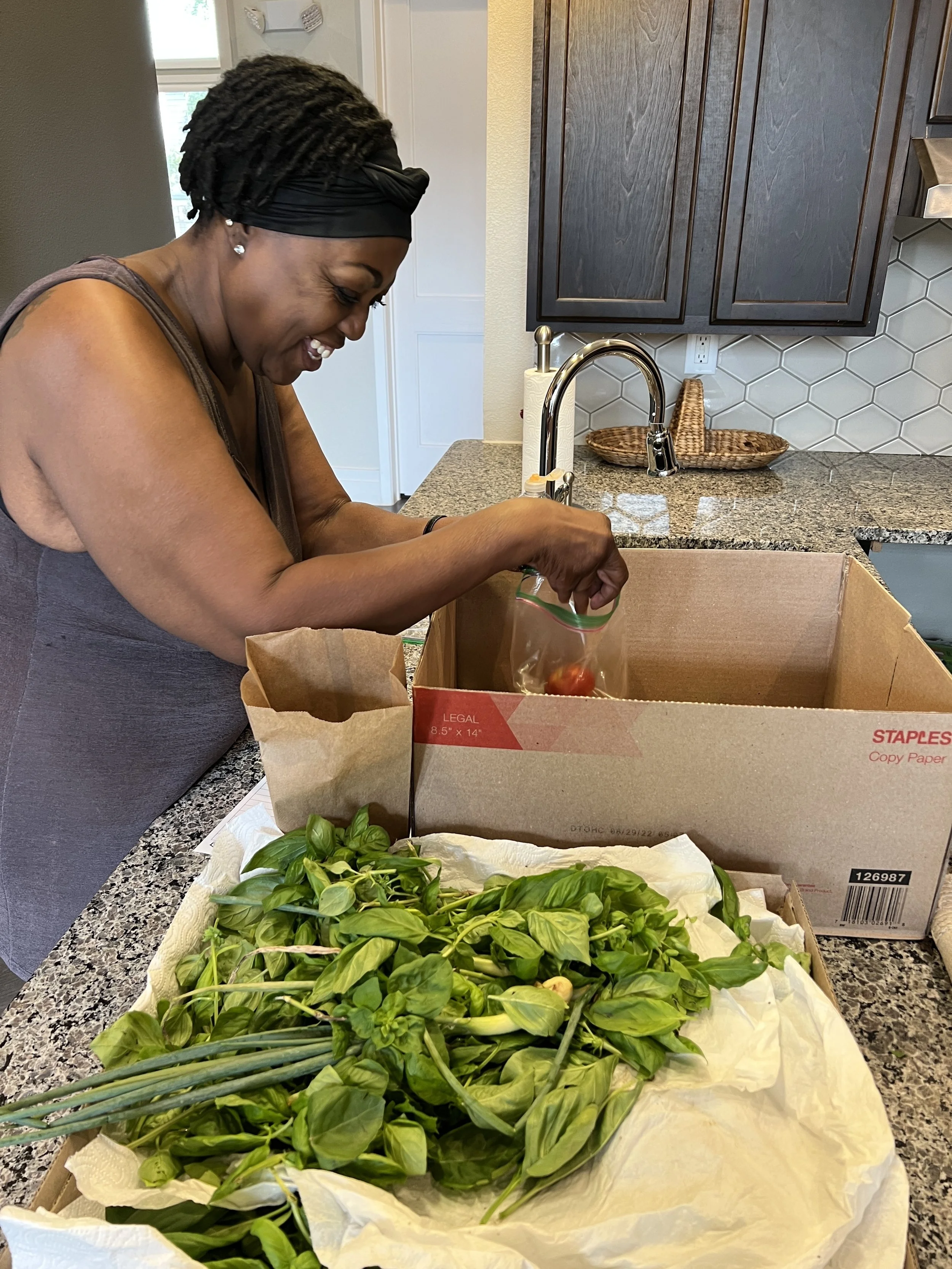
Harvest parties where residents collect fresh produce
Gardening workshops or beginner classes
These small touchpoints keep the space active and create natural opportunities for residents to connect.
You Don’t Need a Huge Budget
Another reason this idea works so well is that it can scale to almost any property.
A community garden doesn’t have to be large or complicated.
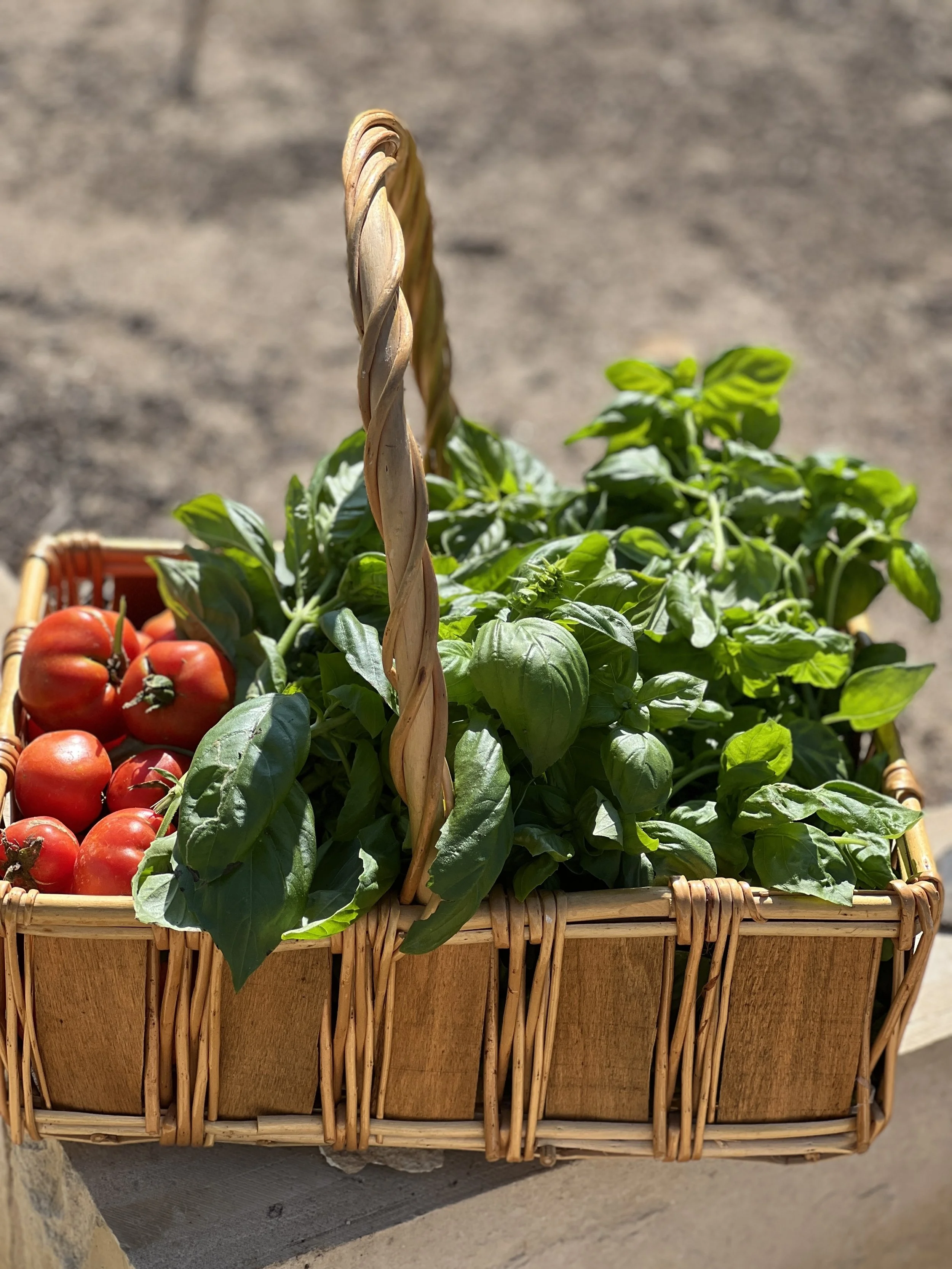
Some communities build raised beds outdoors. Others start with something as simple as a mobile garden cart with herbs and small plants that residents can maintain together.
The key isn’t the size of the garden. It’s the participation.
The Bigger Impact
At the end of the day, the most successful resident engagement strategies are the ones that create ongoing connection, not just one-time attendance.
A community garden does exactly that.
It encourages residents to collaborate, learn new skills, and spend time outdoors. And over time, it becomes something people feel proud of—because they helped build it.
Sometimes the best way to grow a community… is to literally grow something together.
“
Sprout has been phenomenal.
The customer service team is always extremely helpful with providing timely responses, and promoting new and creative ideas.
”

Spring Resident Gift Ideas
Looking for a simple resident gift that feels thoughtful without being complicated?
A small DIY herb kit is a perfect option for welcome gifts, renewal surprises, or just-because moments during the spring season.
Put together a bundle with a few herb seed packets, a small pot, soil, drainage pebbles, and a bit of twine for a charming presentation. It’s affordable, seasonal, and gives residents something they can actually enjoy growing at home.
Pro Tip: Stretch the impact by splitting the items into multiple gifts. For example, give seed packets during a spring event, then offer pots and soil as a renewal or welcome gift later in the season. It keeps the idea fresh while maximizing your budget.
HERB KIT
*Amazon affiliate links included
Garden-themed marketing that catches prospects’ attention:
PLANT SOME ROOTS
Help prospects plant some roots in your community with this thoughtful spring outreach idea. A plantable envelope or seed packet makes a memorable follow-up after tours or outreach visits while tying perfectly into the season of growth and new beginnings.
It’s a small gesture that stands out from typical marketing materials. As the seeds grow, your community stays top of mind—creating a subtle but meaningful reminder of where prospects could start their next chapter.